Mostly Working Summit Software
24 hours before the Mostly Working Summit last week, none of the custom software that powered it existed.
Jonny built our Q&A app on his commute the day before. It took three prompts to a cloud agent, from his phone, while sitting between two people on a packed train into London.
By Thursday it was live at a link on a slide. The audience could ask and upvote questions, and panel hosts saw them ranked next to their own notes on an iPad.
Obviously, we didn’t need to make this. There’s plenty of software that does something similar already, but where’s the fun in that???
The real benefit of building it ourselves showed up halfway through. Once the panels were over, the same app showed everyone their seat for the roundtables. One link on one slide gave people everything they needed for the whole morning.
The other cottage software we built:
→ A table sorter that took live check-ins from Luma and split 70 people across 10 tables by role and the challenges they’re likely facing. I re-ran it during Jonny’s panel to capture anyone who arrived late, then uploaded the JSON output into the Q&A app.
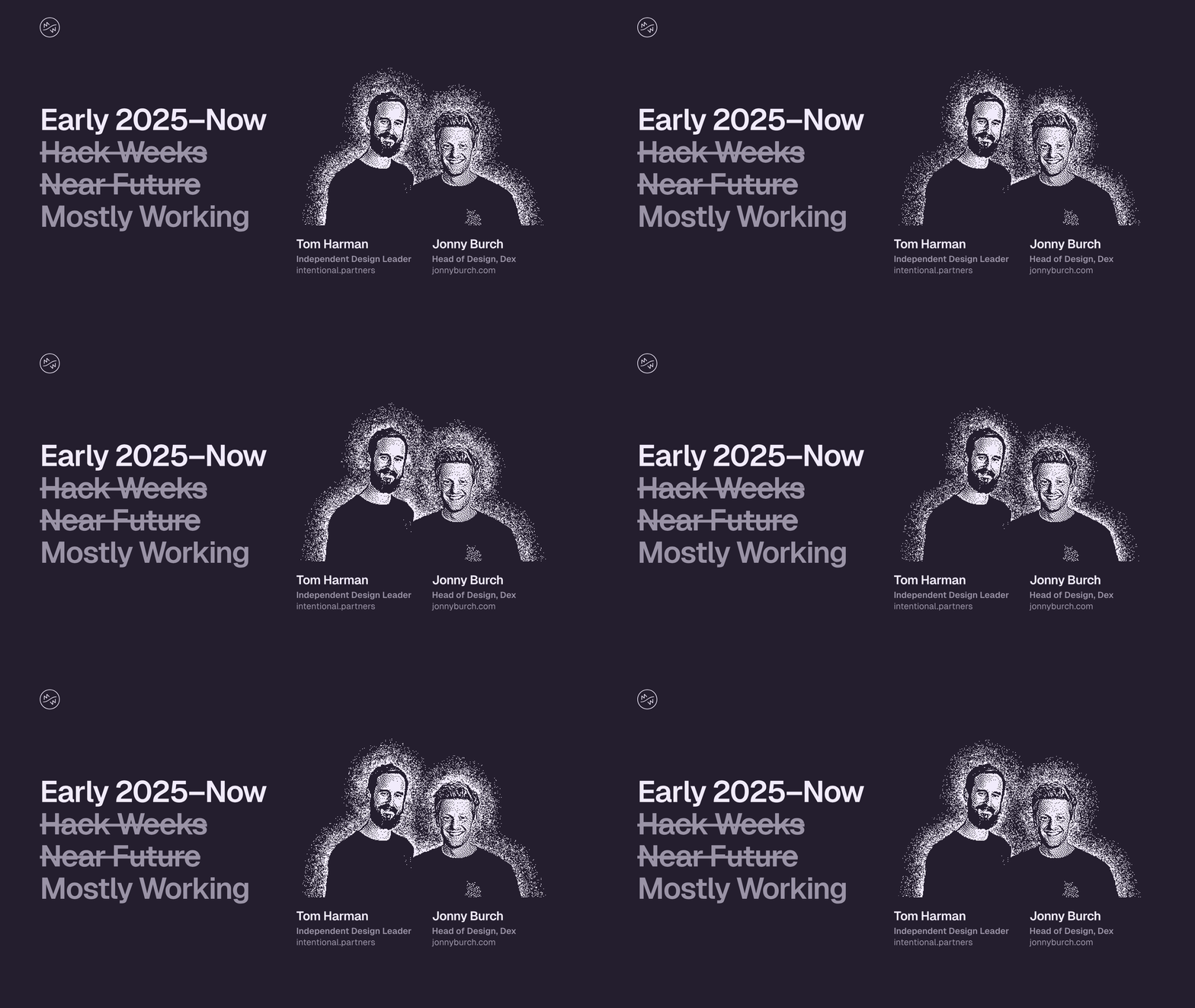
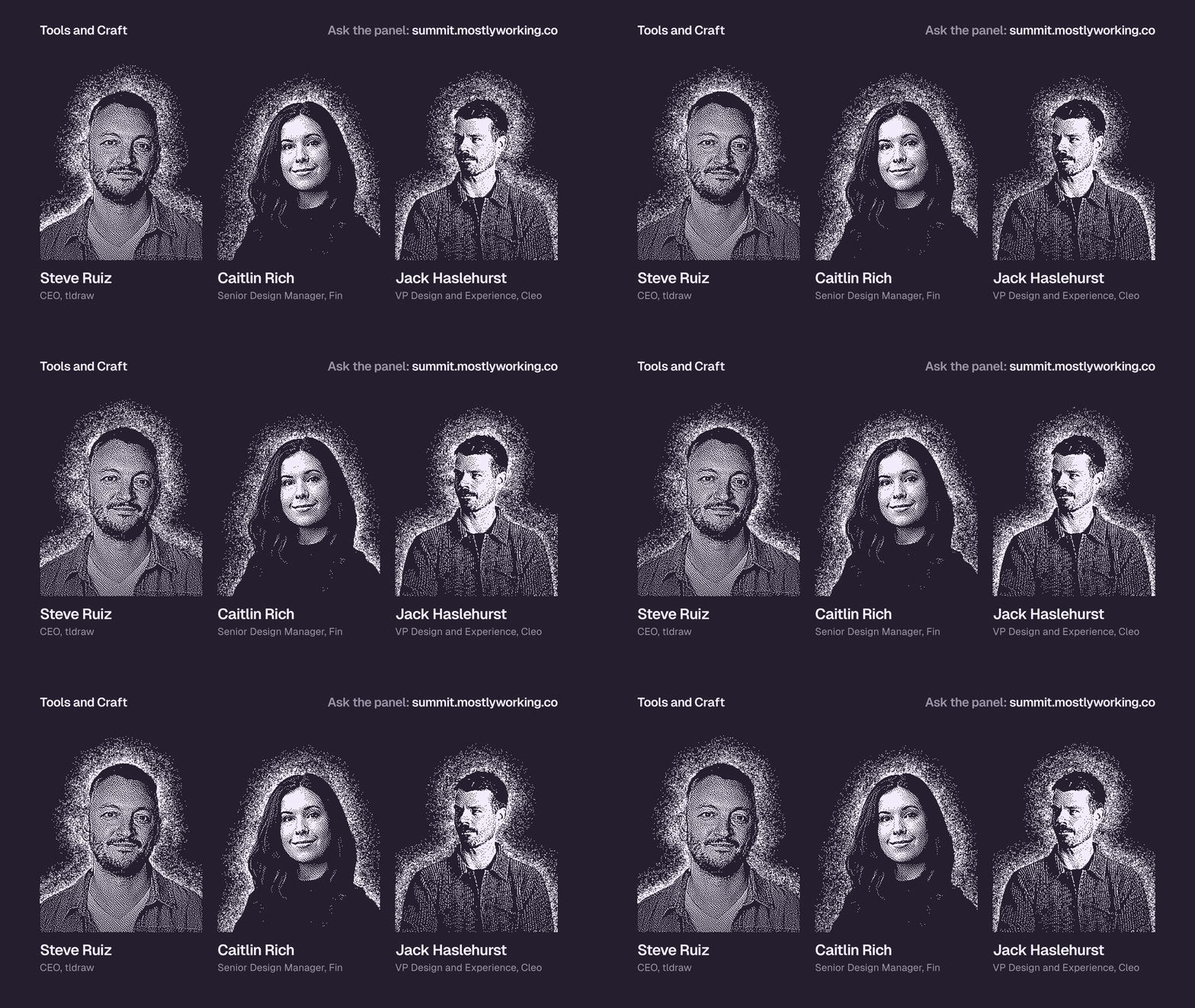
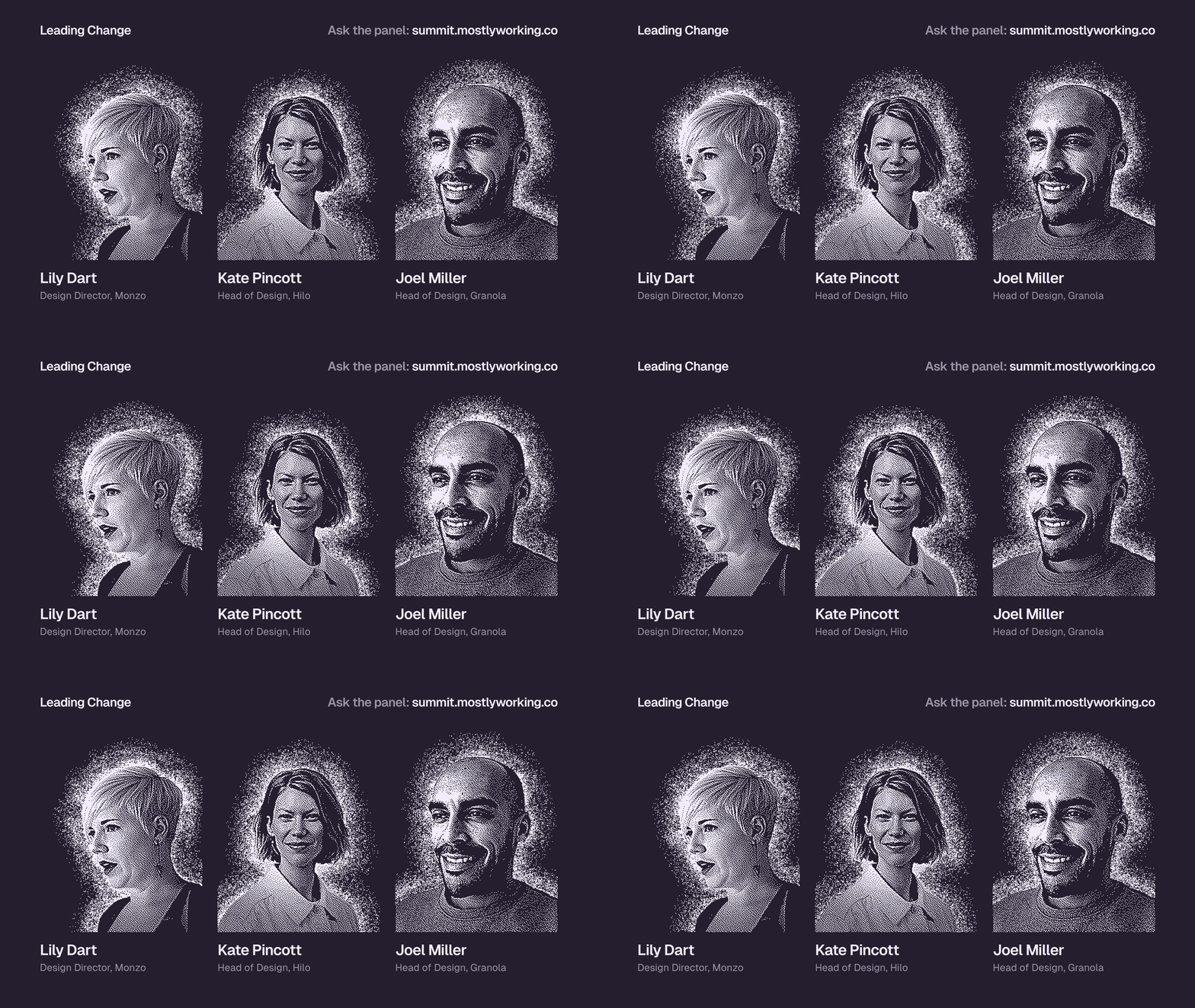
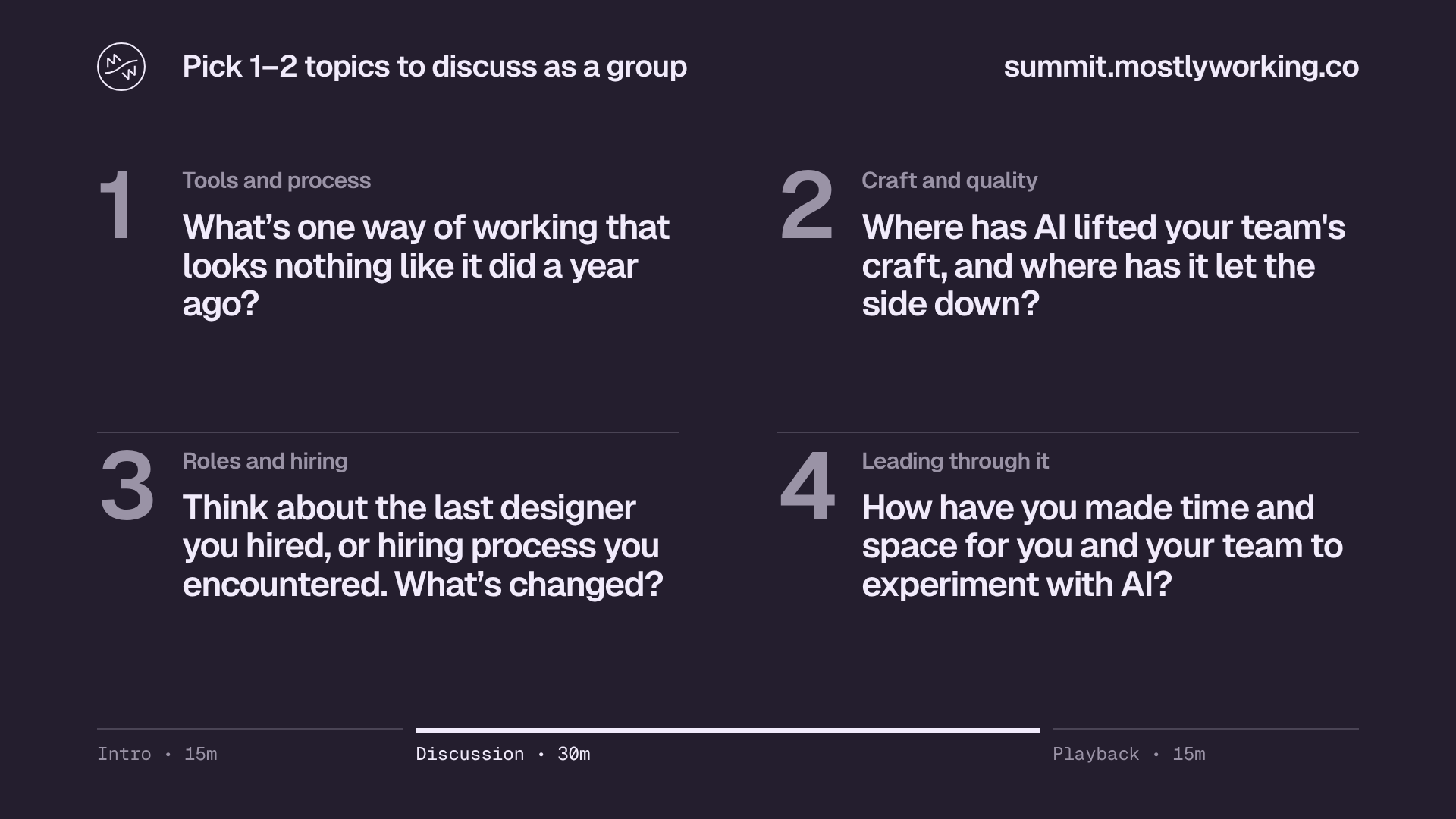
→ A deck made as a Claude artifact, pointed at our brand kit. Every image automatically picked up the pixelated, ‘fire-emanating’ treatment from our social posts, although I did have to ask Claude to make it ‘calming’ and ‘not distracting from the panellists’.
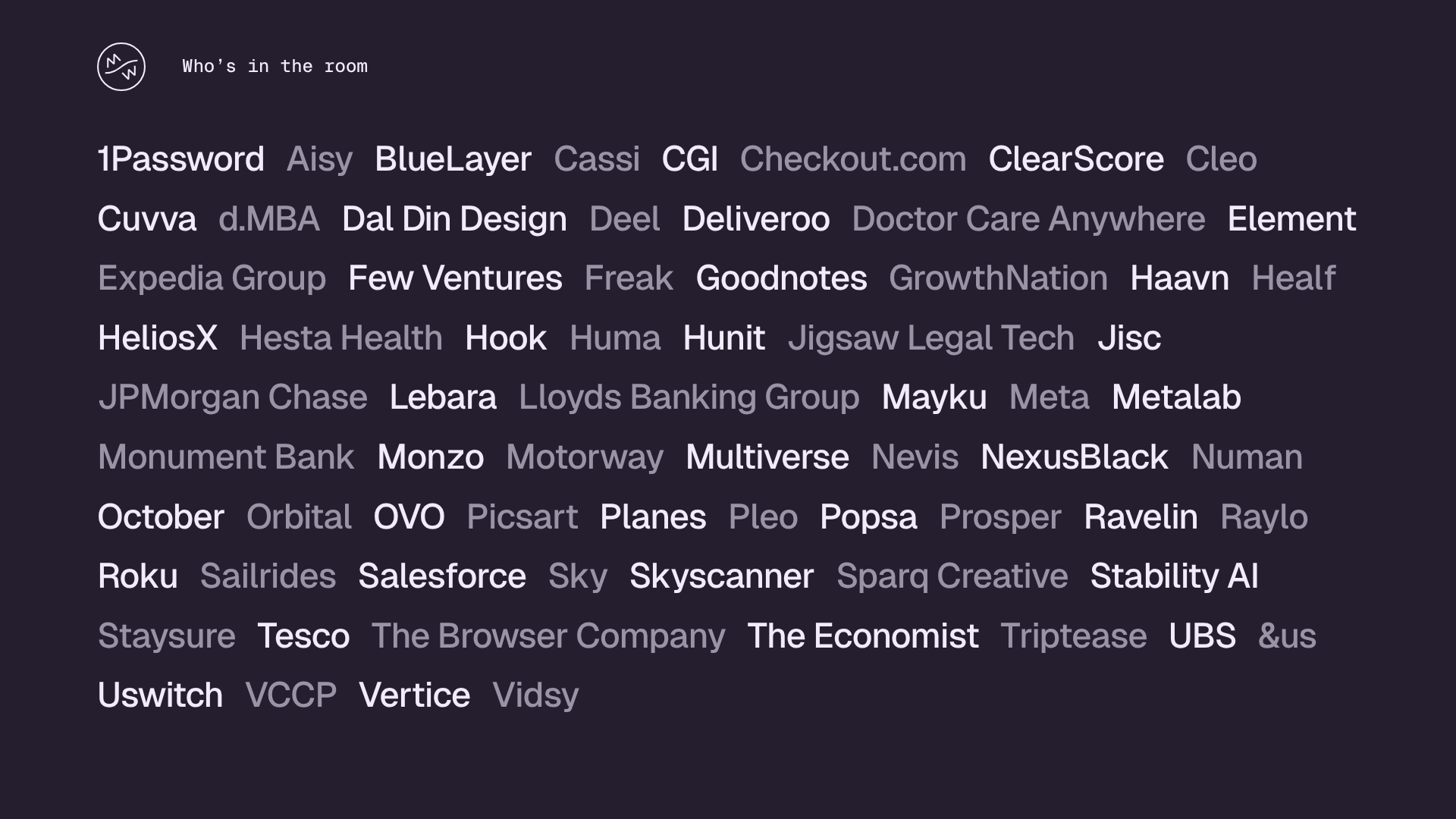
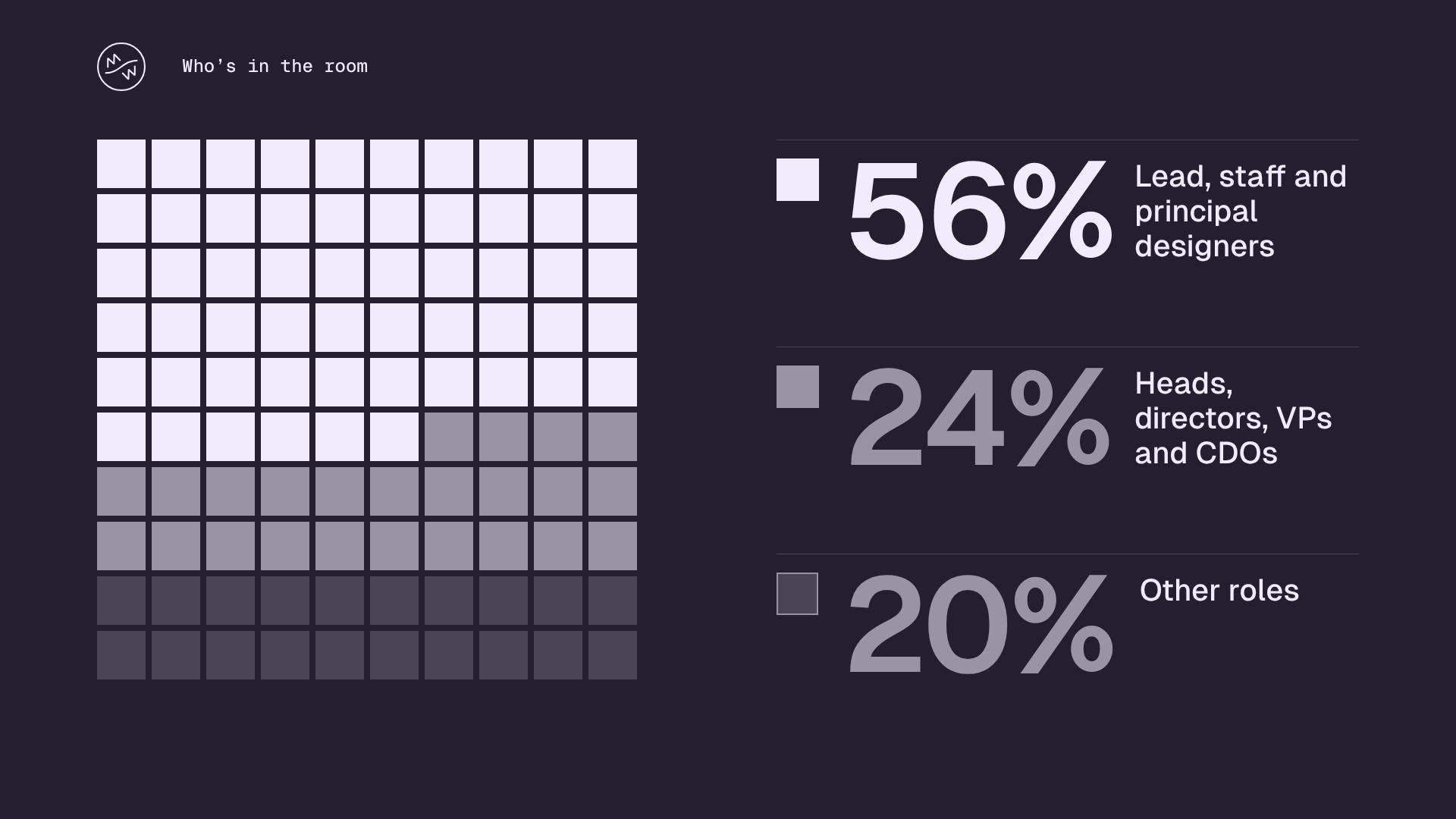
→ Visualisations of who was in the room, which Jonny suggested on our final run-through at 9:30pm the night before. A couple of prompts later we had a handful of great options to pick from.
→ A ‘10 questions asked!’ sign. Audience questions were flowing in during Jonny’s panel and he hadn’t asked one yet, so I got Claude to put it in huge text on my laptop, to hold up and point at him. He never saw it. I don’t think anyone did! You’ll just have to trust me that it looked fantastic.
None of this is rocket science. But two people fitted all of it around their day jobs, the day before a free community event. A year or two ago, even the table sorter would’ve needed real engineering time.
Mostly Working has always been a bit of an accountability hack for us. The events give us an excuse to experiment with AI tools, and the experiments help the events actually happen.
I don’t know whether it’s the models getting better, or our own heads increasingly wired to think in this way. But when software is this quick and disposable, the calculus for build vs buy just changes completely.
And I still get a bit giddy seeing it all come to life and work so smoothly. 🤩